
Red River County Criminal History Checks
No single Red River County portal holds every criminal record. Begin with the event. The sheriff-linked jail list answers a current-custody question. The District Clerk keeps felony files, the County Clerk keeps Class A and B misdemeanor files, and local courts retain fine-only matters. Texas DPS supplies reported conviction and deferred-adjudication data. Each source shows a different stage.
Collect the full name, spelling variants, an approximate year, and a case or booking number when one is known. A date of birth can help distinguish close name matches when a system lawfully accepts it. Then work outward from the office that made or filed the record. The official Red River County directory is the stable starting point for current clerk and sheriff pages.
- Check the sheriff-linked inmate list for current Red River County Jail custody or a recent booking.
- Identify the charge level and contact the District Clerk, County Clerk, municipal court, or justice court that owns the case.
- Use re:SearchTX as a state court supplement, since local participation and document access can vary.
- Search Texas DPS for public conviction or deferred-adjudication information reported to the state.
- Ask the record-holding office for inspection, a plain copy, or a certified copy when the source document matters.
Note: A jail entry, court case, and DPS result should be compared, not treated as three copies of the same record.
Three Red River County Records Counters
Red River County criminal records are split across three Clarksville addresses. Felony files sit at 400 North Walnut Street. Class A and B misdemeanor files belong at 200 North Walnut. Booking records, jail status, sheriff reports, and warrant routing begin at 500 North Cedar. Their close sites do not merge their records.
The county government homepage shows the local office structure.

That county navigation is useful when an elected official or office contact changes, but readers still need to choose the correct custodian before requesting a search.
District Clerk
400 N. Walnut St., Clarksville, TX 75426
903-427-3761
Felony files for the 6th and 102nd District Courts.
County Clerk
200 N. Walnut St., Clarksville, TX 75426
903-427-2401
Class A and B misdemeanor records.
Sheriff and Jail
500 N. Cedar St., Clarksville, TX 75426
903-427-3838
Bookings, jail status, reports, and warrant routing.
County offices generally open Monday through Thursday from 8:00 a.m. to 5:00 p.m. The District Clerk closes Thursday from noon to 1:00 p.m., and county offices close Friday. County Clerk papers tendered after 4:00 p.m. are filed the next business day. Call first when a trip depends on same-day access.
Official Background Checks in Texas
The Texas Department of Public Safety maintains the central criminal-history system. Its public name search mainly returns reported convictions and deferred adjudications that DPS may release. It is name based, so close matches need care. A charged no-match result does not certify that no Red River County arrest, court file, or restricted record exists.
For review of your own identity-matched Texas history, use the DPS personal-review process and FAST fingerprints captured through IdentoGO by IDEMIA. No permanent Red River County enrollment office was confirmed, so search the live scheduler by ZIP rather than relying on an old location list. Fingerprints reduce the risk of confusing two people with similar names.
The FAST enrollment system opens the official appointment and location search.
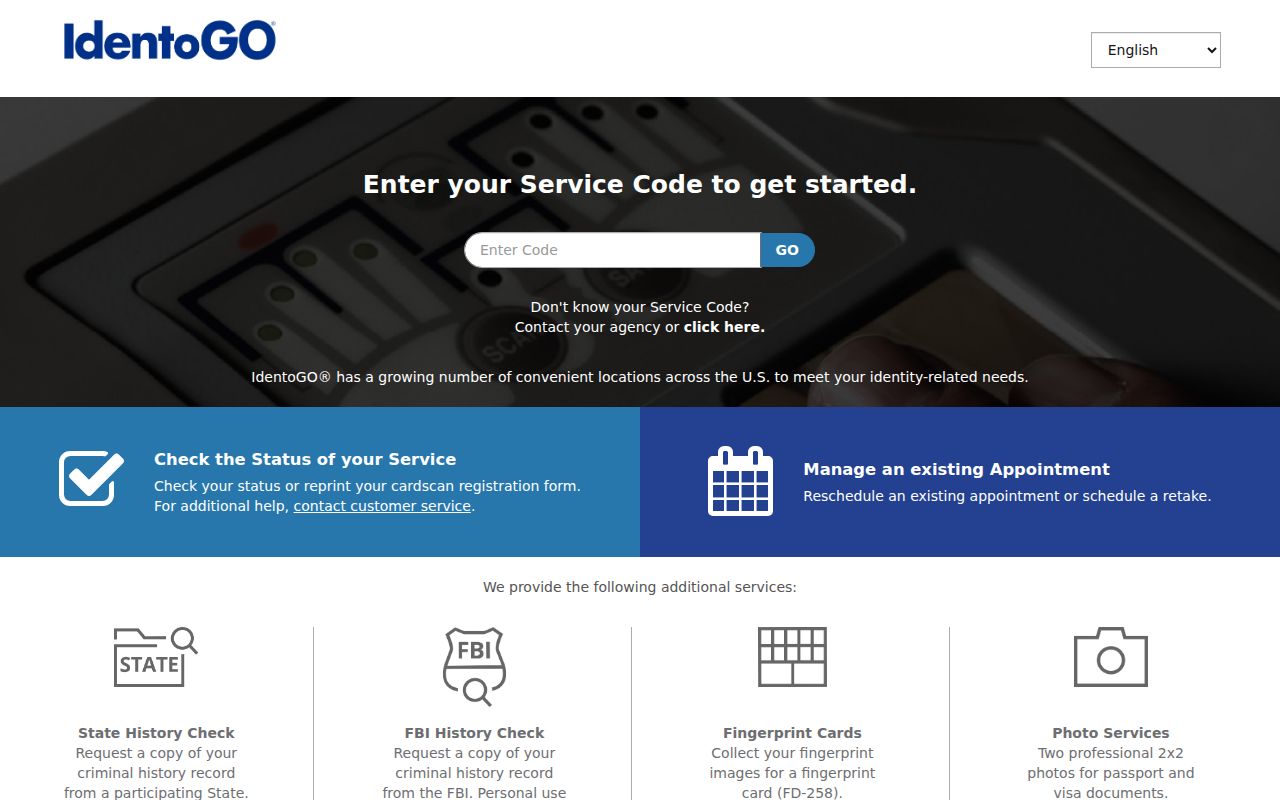
The enrollment screen is the right place to confirm a site and current charge before travel, because the research did not establish a permanent FAST counter inside Red River County.
| Check channel | Published amount | What to know |
|---|---|---|
| DPS public name search | $1 credit per submitted search | A no-match result still uses the credit. |
| Credit-card purchase | 2.25% per credit plus $0.25 per transaction | Added to purchased search credits. |
| DPS CR-42 mail search | $10 | Separate mail channel paid by check or U.S. money order. |
| FAST personal review | Confirm in live scheduler | Fingerprint service and current location affect the total. |
Red River County DPS Search Limits
The DPS search broadens a query through name combinations and birth information. It compares full names, then may test fewer name parts and birth month or day. A full birth date narrows the result. The closest candidates rise in the list, and the screen explains why they matched. One credit covers expanded comparisons from the submitted query.
The official DPS search instructions explain the credits and matching logic.

The instructions show why a careful Red River County record check uses a local clerk or sheriff record to confirm identity and outcome instead of relying on name similarity alone.
| Field | Required | Use |
|---|---|---|
| Last name | Yes | Enter the legal surname and consider known variants. |
| First name | Yes | Forms the basic query with the surname. |
| Middle name | No | May improve separation of close candidates. |
| Date of birth | No | A full date narrows the returned matches. |
| Multi-Entry | No | Queues more than one search before submission. |
Save or print useful results. DPS directs users to preserve the returned record and provides support routes for incorrect data. Local charge or disposition gaps can persist when an agency report is late, rejected, or tied to a different name form.
Kinds of Criminal Records
Red River County criminal records follow an event through the justice system. An agency creates the arrest report. Jail staff create a booking record. A prosecutor files an information or seeks an indictment, and the clerk builds the case file. DPS compiles qualifying events reported through Texas systems. The records overlap but are not substitutes.
- Incident and arrest report: the creating sheriff, police department, constable, or state agency holds the officer narrative and arrest facts.
- Booking record: the Red River County Jail records intake, charges as booked, bond, and present custody facts.
- Court case file: the correct clerk holds filed charges, docket events, pleas, disposition, judgment, and sentence.
- Warrant record: the issuing court and serving agency confirm the type, case, bond, and current status when releasable.
- Custody or supervision record: the county jail, TDCJ, local CSCD, parole authorities, or federal system holds its own part.
- Registry record: Texas DPS publishes qualifying sex-offender registration data under Chapter 62.
A municipal citation may stay with a city court. A felony in Red River County goes to the 6th or 102nd District Court, while a Class A or B misdemeanor ordinarily belongs to the constitutional County Court. The classification controls which clerk can locate the file.
Red River County Jail Records
The Sheriff’s official page links to a vendor-hosted inmate list. That link makes the roster the county’s current-custody channel even though it is off the county domain. It is not a lifetime Red River County arrest history. A missing name may reflect release, transfer, delay, another county, or no booking. The Red River County Sheriff page supplies the jail-list link and office contact.

The page confirms 500 North Cedar Street and 903-427-3838 as the phone and counter fallback for a current booking, older jail material, warrant routing, or a sheriff-created report.
Use the list, then call with a full name and booking date. Ask the arresting agency for its report. After filing, check the right clerk. VINELink provides custody notices, TDCJ covers state custody, and the Bureau of Prisons covers federal custody. No official Red River County sheriff app or daily arrest PDF was found.
Note: Booking charges are allegations and can differ from the information, indictment, dismissal, or judgment later entered by a court.
Red River County Criminal Records: What They Contain
A criminal-history entry often begins with names, aliases, descriptive data, and fingerprint-linked identifiers. Each arrest cycle may then show an agency, arrest date, tracking number, initial charge, prosecutor action, court outcome, and sentence. A Red River County court file adds pleadings, bond terms, hearing dates, counsel, financial entries, and documents. A booking display focuses on intake and custody instead.
| Name and identifiers | Displayed name, aliases, date information where public, and SID or FBI identifiers when included. |
|---|---|
| Arrest and booking | Agency, date, booking number, charges at intake, bond, and custody or release fields shown by the source. |
| Charges and statutes | Offense description, code citation, alleged degree, complaint, information, or indictment. |
| Disposition | Dismissal, acquittal, conviction, deferred adjudication, or another recorded outcome. |
| Sentence | Jail or prison term, community supervision, fine, costs, restitution, or other court order. |
| Custody or supervision | Current facility, release, parole-related status, or court-filed supervision and revocation events. |
Public versions should omit or redact Social Security numbers, driver-license numbers, protected victim and juvenile facts, sealed material, and other confidential identifiers. “Dismissed” does not mean “acquitted.” Deferred adjudication is not automatically erased. Read the outcome beside the specific charge rather than treating one case-level label as the result of every count.
- Disposition
- The recorded outcome of a charge or case.
- Magistration
- The prompt judicial warnings, probable-cause review, and bond process after arrest.
- Indictment
- A grand jury true-bill charging instrument, commonly used in a felony prosecution.
- Information
- A prosecutor-filed charging instrument commonly used for misdemeanors.
- Community supervision
- The Texas term for court-ordered probation supervision.
Red River County Warrant Records
No official public Red River County warrant database or list was located. Call the Sheriff at 903-427-3838 for routing. Ask the District Clerk about a felony capias, the County Clerk about Class A or B matters, and the issuing local court about fine-only cases. A written request may reach public facts, but sealed or unexecuted warrants can be withheld.
A jail listing can show that a warrant led to a booking, but it cannot answer whether every warrant remains active. Texas law-enforcement warrant systems are not open as a general statewide public name search. Status may lag, so confirm with the issuing court before taking action. Never send money to an unsolicited caller who claims a warrant exists.
If the warrant concerns you, obtain the case or warrant number and ask the verified court what appearance, bond, or lawful surrender process applies. Keep any written receipt or disposition and recheck after the office processes it. An arrest warrant follows a probable-cause process. A capias often follows a case event, while a capias pro fine concerns enforcement of an unpaid judgment and related ability-to-pay rules.
Texas Public Access Laws
The Texas Public Information Act governs many sheriff and police records, but court files are obtained through the courts and their clerks. A request should go to the office that created or maintains the record. Government Code Section 552.108 can protect specified law-enforcement and prosecution material, while basic information about an arrest or crime is not automatically swept into that exception. Juvenile, victim, medical, expunged, and nondisclosed information can remain confidential.
The Texas Attorney General’s open-government guidance explains public-information procedures and agency duties.

That state guidance is useful when a Red River County request needs clarification, a cost estimate, or an explanation of withheld material, but it does not move a court file into the ordinary agency-request process.
Key Texas laws:
Government Code Chapter 552 establishes access and prompt-production duties for nonexempt government information.
Government Code Section 411.135 authorizes DPS public access to conviction and deferred-adjudication information.
Code of Criminal Procedure Chapter 55A sets the present Texas expunction framework.
Code of Criminal Procedure Chapter 62 governs the Texas sex-offender registration program.
Red River County Criminal Record Flow
A local record changes as it moves. The arresting agency writes the report. Red River County Jail staff create an intake entry and normally collect fingerprints. Texas systems can send that arrest transaction to DPS. A prosecutor decides what to file, and the clerk records the case and disposition.
Local flow: Arresting agency → Red River County Jail booking → prosecutor review → District, County, municipal, or justice court → clerk disposition report → Texas DPS history.
Red River County uses the 6th and 102nd District Courts for felonies. The District Clerk posts date-specific dockets, yet those calendars are not a full case-name database. re:SearchTX adds a statewide search layer with access that can vary by court and user role.
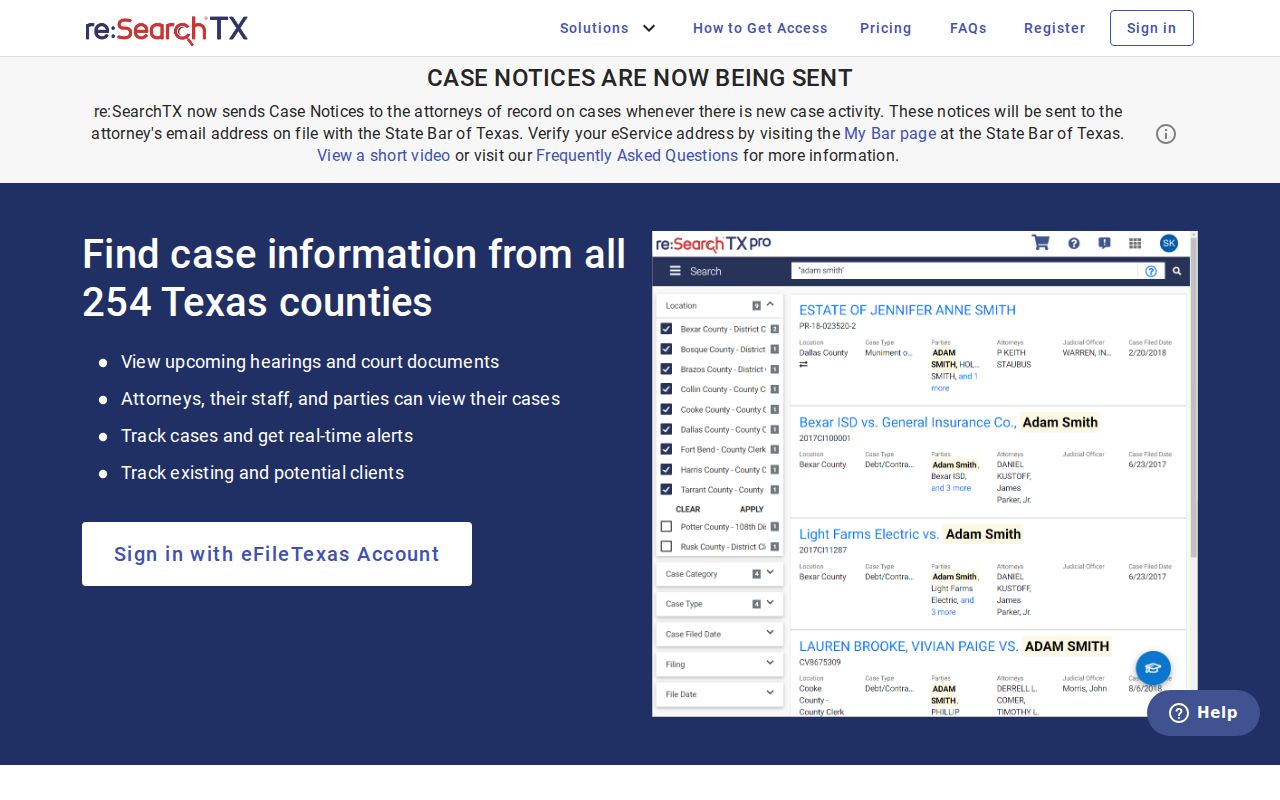
The portal can locate participating-court material, while the Red River County clerks remain the fallback for local files, dockets, inspection, and copies. Rejected fingerprints, name variants, and missing actions can make jail, clerk, and DPS results disagree. The 2026 DPS completeness work tracks gaps between arrest charges and court outcomes. When results conflict, check each source office and use the official DPS correction route.
Restricted, Sealed & Expunged Records
Texas expunction and nondisclosure are distinct. Chapter 55A expunction can require the return or destruction of eligible arrest records. Potential paths include acquittal, pardon, identity theft, certain dismissals or no-bills after required periods, and specified programs. Eligibility depends on the charge and full case history.
An order of nondisclosure under Government Code Chapter 411 limits ordinary public disclosure after qualifying deferred-adjudication or conviction paths. The information remains available to criminal-justice and other agencies named by law. A dismissal alone is neither an expunction nor a nondisclosure order.
The Red River County District Clerk’s official page provides a local expunction document and accepts filings at 400 North Walnut Street. Confirm the current filing fee at 903-427-3761 because no official online amount was found. A petition must identify each agency that holds the record so notice and order coverage can reach the sheriff, jail, clerk, DPS, and any other proper custodian. If information remains after an order, review the local search and obtain a fingerprint-based DPS personal record check.
Other restricted categories include juvenile justice files, protected victim identifiers, child or sexual-abuse information, sealed warrants before execution, grand-jury material, and private identifiers redacted from otherwise public Red River County criminal records.
Red River County Custody Records
Use the custody system that matches the stage. The Red River County Jail list covers current county custody. VINELink offers status notices. After transfer, TDCJ can show state custody and release fields. A federal sentence belongs in the Bureau of Prisons locator, not the county roster.
The TDCJ Online Inmate Search is the official state-prison layer. Red River County Jail staff cannot supply the same statewide custody scope. Local community supervision is administered through the Red River County Community Supervision and Corrections Department under court oversight, while the Texas Board of Pardons and Paroles decides parole release and the TDCJ Parole Division supervises releasees.
A court judgment may show a community-supervision term or a motion to revoke, but private supervision notes and treatment details are not ordinary public name-search data. Likewise, an old sentence does not prove that someone remains on probation or parole. Verify the current status through the responsible office.
Note: No official Red River County app was found, so use county links and verified state portals instead of similarly named commercial apps.
City-by-City Criminal Records in Red River County
Clarksville, Bogata, and Detroit are the three largest incorporated cities identified in the Red River County research. Their local record paths differ. Clarksville publishes a police-report open-records route through its Municipal Court page. Bogata accepts city requests through City Hall and has no verified police-report or municipal-case portal. Detroit’s city site provides contact and public-document channels, but the arresting agency should be confirmed before a report request. City arrests that lead to detention generally move into the Red River County Jail because no separate city jail was located.
Clarksville Record Check
County seat with city police reports, Municipal Court matters, and all three county records counters.
Bogata Record Check
City Hall routes written requests; county jail and Clarksville clerks hold later stages.
Detroit Record Check
Confirm the incident’s law-enforcement custodian before seeking a city report or county booking.
Municipal and justice courts keep fine-only cases. Class A and B misdemeanors move to the Red River County Court and County Clerk, and felonies move to a district court and the District Clerk. That split is why the location of the event does not always predict the final records counter.
Red River County Registry Records
The Texas Public Sex Offender Registry is the main Red River County search. Use a name to check a person or an address, city, ZIP, county, or live radius to review an area. No result is a guarantee. Spelling, moves, delays, and nonpublic data can affect what appears.
The Texas DPS registry search provides the official state interface.
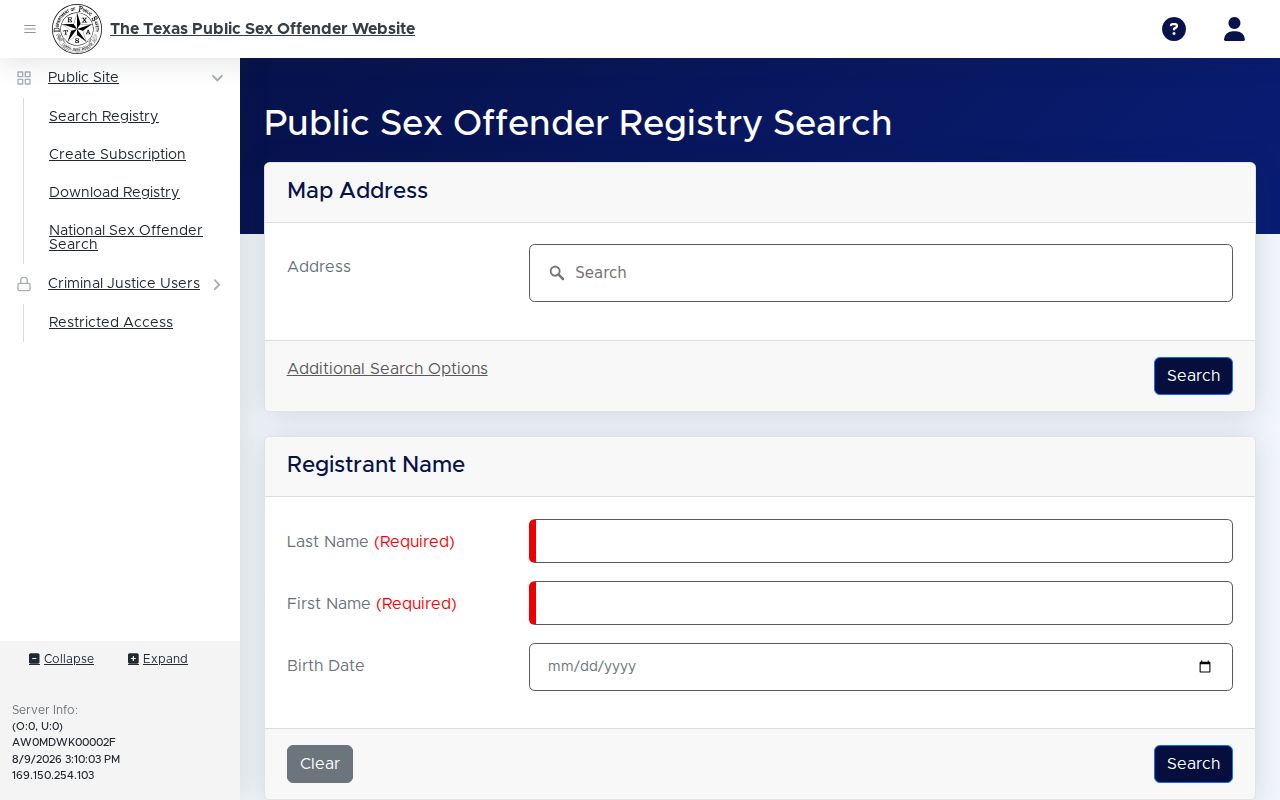
The form supports Red River County and city-level location searches, while the National Sex Offender Public Website adds a cross-state layer when an address history crosses state lines.
Texas does not give each public profile a simple low, medium, or high risk tier. Duration and checks depend on the offense and Chapter 62. Profiles can show aliases, a photo, traits, address, dates, offense facts, and vehicles. Contact the Sheriff about an unincorporated Red River County registration question or to identify the authority for an address. Registry access supports safety, not threats, harassment, trespass, vigilantism, or punishment. Verify identity and status with the responsible authority.